The Girl in the Spider’s Web
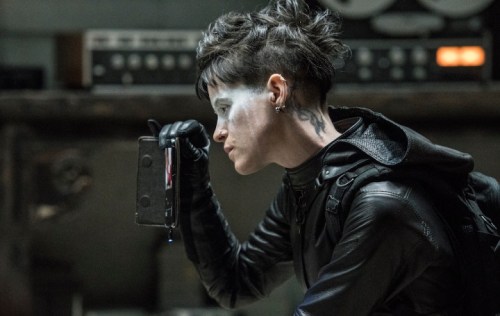 The antisocial hacker and ball-breaker Lisbeth Salander has finally made a return to the big screen in this adaptation of David Lagercrantz’s fourth book of the “Millenium” series. Departing from the brooding drama and gritty violence of Stieg Larsson’s first three stories, this tale instead heads down the more conventional Hollywood path. Gone is the laser-focussed indictment of misogyny. Gone is the lucid paranoia or the slow-burning mystery. Here we have a middling spy-thriller that only loosely acknowledges its roots; I’m sure Larsson will be turning in his grave. Consistent though, are Lisbeth’s (played by the excellent Claire Foy) knack for kicking some serious ass and her penchant for a bit of heroic crusading and vengeance. Throw in a moral conscience, some family infighting, and a rogue piece of software on the loose (that allows a single user control of the world’s nukes … of course) and you have a bitchy blend of Bond, Bourne and Batman.
It’s all fairly conventional stuff; a very simple tale of fast cars (and bikes), preposterous motivations, a far-fetched use of tech, and disorienting action sequences all set to the backdrop of a forgettable soundtrack. Uruguayan director Fede Alvarez (Don’t Breath) does bring about some visually striking set-pieces that make full use of his horror background, but unfortunately, the collective whole feels too episodic.
What is refreshing, though, are the traditional gender roles which have been turned on their head. The chief power parts (on both sides of the ledger) are strong active women, with men being relegated to the margins. At one point the film even acknowledges the passivity of journalist Mikael Blomkvist (Sverrir Gudnason) as just a pretty face.
Unfortunately, this renders the excellent cast, many of whom have impressive credentials, as woefully underused. Try as she might, Claire Foy’s commendable take on Lisbeth’s reckoning, or even Sylvia Hoeks’s (Blade Runner) chilling rendition as her sister can’t halt the inexorable pull of the film towards Hollywood’s formulaic juggernaut.
See my reviews for the NZ Herald here and for Witchdoctor here.

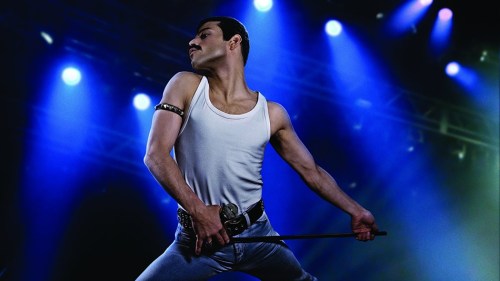 As a tousle-haired bedroom-poster-hanging teen of the eighties and nineties, the news of Freddie Mercury’s death came to me as quite a shock. Love him or not, there is no denying Queen had an omnipresent quality that seared their sound on the musical psyche of the masses. So, a film that explores this phenomenon was always going to be a very personal journey for many.
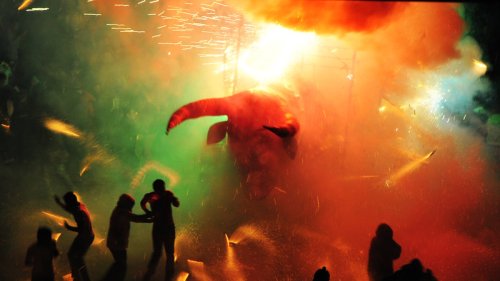 Those who remember the euphoric opening sequence to Beasts of the Southern Wild will immediately recognise similarities with Brimstone & Glory.
 Have you ever daydreamed how to engineer the perfect heist? Just a harmless fantasy for most, but American Animals considers what happens when such reverie flirts with reality.
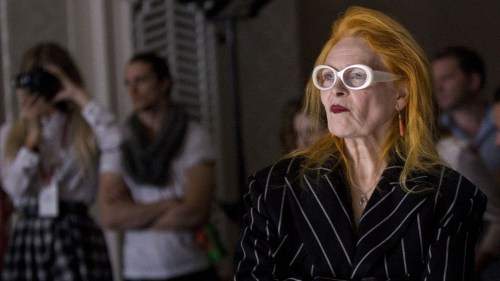 This year has now produced two notable documentaries about British fashion designers. But where the recently released McQueen was a straight stare at a life that burnt bright, Westwood dials things back and is a more measured examination of a designer still working.
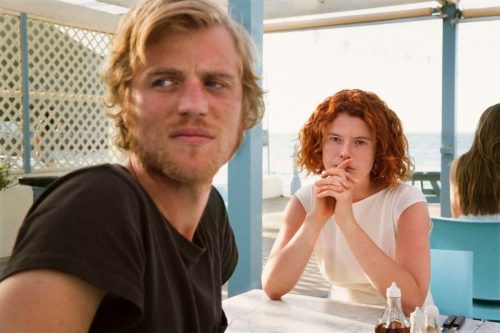 “You’re wounded. I can fix that.”—it is a seemingly innocuous opening line from Beast, but it speaks volumes about the film’s two central characters. Moll (played by Jessie Buckley), to whom the line is directed, has just met the mysterious Pascal (Johnny Flynn).
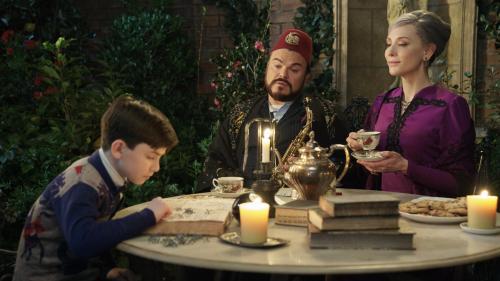 The House with a Clock in Its Walls is a holiday flick that neatly slides in between Harry Potter and Lemony Snicket on the bookshelf of magic and misfortune; a lengthy title, some brooding special effects, an orphan boy who learns magic, and questionable caregivers. It has become a slightly tired routine, something which I was hoping the effervescent Jack Black and brooding Cate Blanchett would breath new life into—unfortunately not.
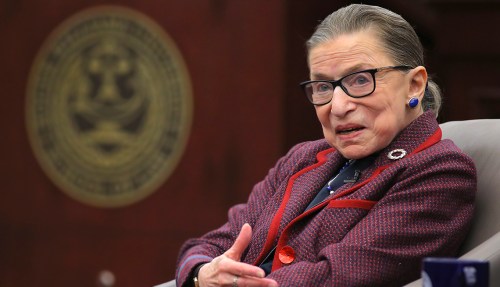 With the anniversary of women’s suffrage fresh in our minds, a film about Ruth Bader Ginsburg, who was a giant in the fight for women’s rights, is a timely release.
 Who knew that in 1959 Sydney also had a beady-eyed store-mounted Santa sporting a creepy “come hither little child” mechanical finger.
 tobywoollaston.com