You Were Never Really Here
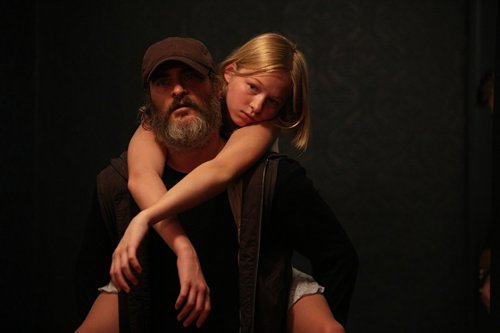 Seven years ago Scottish director Lynne Ramsay ushered us, along with a very tired looking Tilda Swinton, into the disturbing world of Kevin. Among other themes, We Need to Talk About Kevin was a cold hard look at the warped mind of a killer. Ramsay’s damming statement on America’s weaponised culture was curiously (and perhaps more strikingly) made with the absence of guns. You Were Never Really Here is no different as it follows a “hired gun”, who plies his trade with a ball-peen hammer. Although one should know never to take a hammer to a gun fight, Joe who is played by a very beefy looking Joaquin Phoenix certainly knows how to swing one.
When a senator’s daughter, Nina (Ekaterina Samsonov) goes missing, Joe finds himself embroiled in a twisted ring of underage sex trafficking. Nina’s traumatic upbringing holds a mirror to Joe’s own, elevating his mission into a vigilante cause.
Living with his frail mum, Joe keeps to himself and one of the film’s lighter moments humorously acknowledges his similarity to Psycho’s Norman Bates. Indeed, Ramsey’s psycho-dramatic take on crime does in many ways resemble a modern-day Hitchcock as she dives deep into Joe’s subconscious.
Actually, the film owes a lot to its predecessors, markedly paying homage to Scorsese’s Taxi Driver. But what it seems to furiously batter its long eyelashes at is Nicolas Winding Refn’s Drive. Those who were mesmerised by the latter’s intense, monosyllabic, and heavily stylised violence will find appeal here.
It’s a rich blend of brutal beauty cut to a hypnotising electronic score, all wonderfully balanced by Joaquin’s physical performance — it’s spellbinding stuff and Ramsay’s sensual style of story-telling is undeniably compelling.
Although the simple narrative suggests style over substance, Ramsay has laced this tale with ample subtext. Most notably it mercilessly swings a bag of bloody hammers at one of humanity’s most urgent sins, human trafficking. Thankfully, it doesn’t let you leave the cinema without a relieving sense of hope.
See my reviews for the NZ Herald here and for Witchdoctor here.
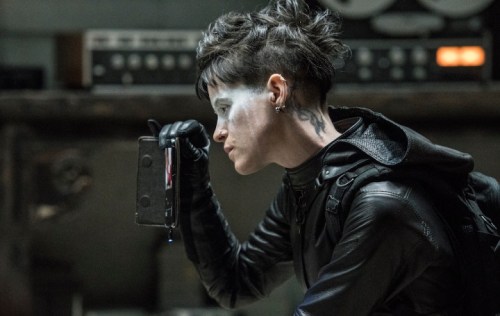 The antisocial hacker and ball-breaker Lisbeth Salander has finally made a return to the big screen in this adaptation of David Lagercrantz’s fourth book of the “Millenium” series. Departing from the brooding drama and gritty violence of Stieg Larsson’s first three stories, this tale instead heads down the more conventional Hollywood path.
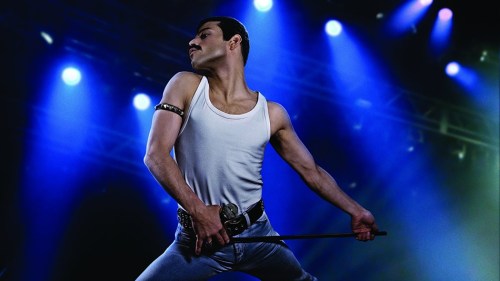 As a tousle-haired bedroom-poster-hanging teen of the eighties and nineties, the news of Freddie Mercury’s death came to me as quite a shock. Love him or not, there is no denying Queen had an omnipresent quality that seared their sound on the musical psyche of the masses. So, a film that explores this phenomenon was always going to be a very personal journey for many.
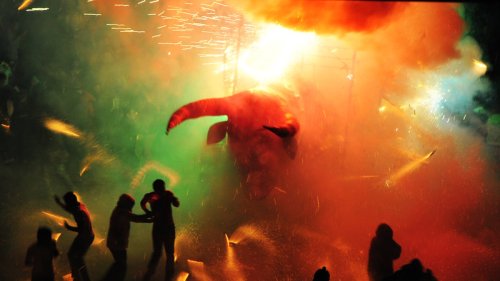 Those who remember the euphoric opening sequence to Beasts of the Southern Wild will immediately recognise similarities with Brimstone & Glory.
 Have you ever daydreamed how to engineer the perfect heist? Just a harmless fantasy for most, but American Animals considers what happens when such reverie flirts with reality.
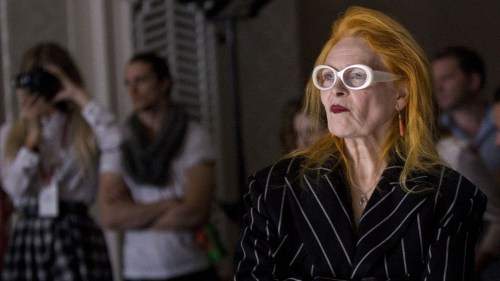 This year has now produced two notable documentaries about British fashion designers. But where the recently released McQueen was a straight stare at a life that burnt bright, Westwood dials things back and is a more measured examination of a designer still working.
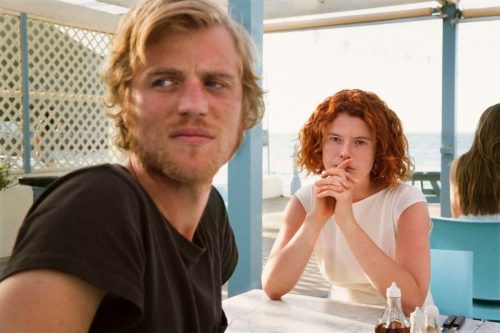 “You’re wounded. I can fix that.”—it is a seemingly innocuous opening line from Beast, but it speaks volumes about the film’s two central characters. Moll (played by Jessie Buckley), to whom the line is directed, has just met the mysterious Pascal (Johnny Flynn).
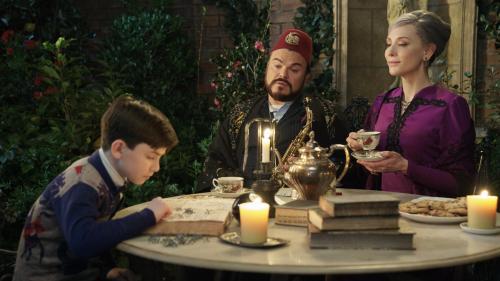 The House with a Clock in Its Walls is a holiday flick that neatly slides in between Harry Potter and Lemony Snicket on the bookshelf of magic and misfortune; a lengthy title, some brooding special effects, an orphan boy who learns magic, and questionable caregivers. It has become a slightly tired routine, something which I was hoping the effervescent Jack Black and brooding Cate Blanchett would breath new life into—unfortunately not.
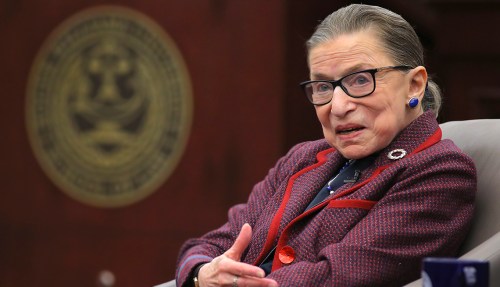 With the anniversary of women’s suffrage fresh in our minds, a film about Ruth Bader Ginsburg, who was a giant in the fight for women’s rights, is a timely release.
