Chappaquiddick
 A very Marlon Brando-esque Jason Clarke (Zero Dark Thirty) takes the lead as the last surviving son of Joseph Kennedy’s flagging dynasty in this tale of political intrigue and moral soul-searching.
Famously, Ted Kennedy, one of nine siblings, was being groomed to follow in the political footsteps of his successful brothers when misfortune, fitting of the accursed Kennedy family, struck. Ted’s night of misadventure resulted in a car accident that claimed the life of a young campaign strategist, Mary Jo Kopechne (Kate Mara) and Chappaquiddick recounts the story of the ensuing political damage control, and the moral quandary that Ted found himself in.
Ted’s oppressively patriarchal father, Joseph (played by Bruce Dern with a ruthless dedication to the Kennedy name) operates as the film’s pseudo antagonist as it begins to explore father/son relationships. A sort of Vader/Skywalker dynamic develops as Ted is tempted to give in to his dark ambitions in order to feel accepted by his father, moreover have a successful political career.
The moral impasse of political opportunity versus honest integrity comes to a head in the film’s final moments—does he come clean about what happened that fateful night, or spin a web of untruths? Those who remember Ted Kennedy’s nation-wide televised statement might not feel the tension of Chappaquiddick’s climax as much as the rest of us, but it should still make for an interesting exposé on what happened behind the public exterior.
The film tries hard to coax mood out of its audience. Director, John Curran’s (The Painted Veil) expressive framing laps up a very broody script—you can almost see the cogs turning, and the film’s manipulative machinations are perhaps a little too obvious in their ironic intent to mirror the Kennedy PR engine. That said, Chappaquiddick does look delicious. Cinematographer, Maryse Alberti (The Wrestler) has done a fine job of capturing the feel of the late sixties, colour grading the final product with the golden smokey haze of the time.
Despite leaving little space to flesh out Ted’s backstory, or to lament over Kopechne’s death, the film stays its course. And far from feeling undercooked, Chappaquiddick’s laser like focus succinctly reveals a slice of American history that is quite enthralling and will make you feel glad you weren’t a Kennedy … queue Shona Lang.
See my reviews for Witchdoctor here.
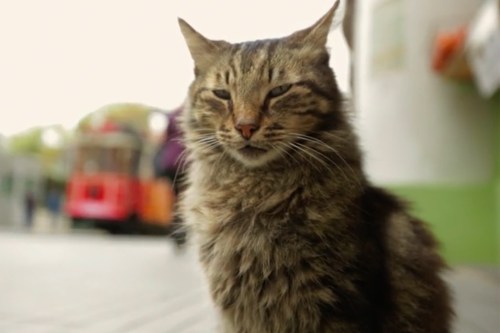 Most have experienced the mesmerising quality of cats and their unique personalities. In his first feature-length film, Turkish director Ceyda Torun has created an urban wildlife documentary that gives a snapshot of a city’s fascination with its homeless feline population.
 I’m unapologetically lukewarm about the superhero genre having long suffered the much-maligned superhero fatigue.
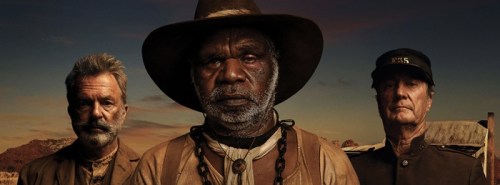 “What chance has this country got?” So asks Sam Neill in the Sweet Country’s final moments. Such is the film’s central theme as it examines Australia’s sordid racial past and brings its concerns into the present with a film that is as tragic as it is strikingly beautiful.
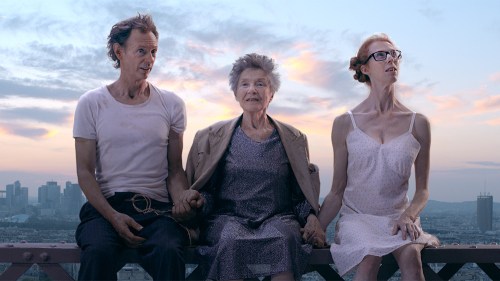 Dominique Abel and Fiona Gordon team up once again, opening a kitbag of acting, writing and directing talents that can best be described as an “acquired taste”. Their films feel like an unwieldy blend of Mr Bean and Wes Anderson minus the comic timing or genius, and Lost in Paris is no different, with a gratuitously quirky style that renders it insufferably twee. Despite wanting to be, The Grand Budapest Hotel this is not.
 In a modern-day take on Beatrix Potter’s beloved leporine tale of the same name, director Will Gluck has drummed up a warren of talent that would be the envy of any studio. James Cordon, Domhnall Gleeson, Margot Robbie, Daisy Ridley and Elizabeth Debicki, among others, all chip in to flesh out this story about a cheeky (and very cute) anthropomorphised rabbit and his battle for a vegetable patch.