Breathe
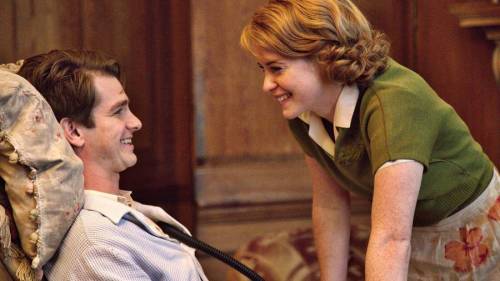 There is a palpable sense of the familiar with Breathe, which tells the true story of polio victim Robin Cavendish. Comparisons will be made with other films, most obvious being Julian Schnabel’s very depressing (but utterly brilliant) The Diving Bell and the Butterfly, but Breathe differs from its ilk, most notably with its cheerful attitude towards life—no small feat for a film that deals in the currency of disease, paralysis, and death.
Andrew Garfield plays Englishman Robin Cavendish, an amiable chap of the “stiff upper lip” variety, with whom life’s promise has been cruelly snuffed out through contracting polio while working in Africa in the late fifties. Paralysed from the neck down, Robin is put on a respirator and given months to live. But for the encouragement and support of his long-suffering wife, Diana (played by Claire Foy), and the ingenuity of his friend Teddy (Hugh Bonneville), Robin’s life would’ve come to a literal standstill. Instead, his life becomes one of reinvention and a symbol of endeavour and triumph as he historically pioneers a mobile treatment allowing paralysis patients to live their lives outside the hospital walls.
In his directorial debut, Andy Serkis has shown enough chops to suggest that he’s one to keep an eye on in the future. His attention to the film’s more technical minutia elevates it beyond a mere actorly drama. That said, he also appears to have got the most out of his quality cast, specifically Garfield who has climbed wholeheartedly into the role of Robin and delivers a convincing performance despite ostensibly only having his face to act with.
Not entirely without fault, the film’s playful moments risk being overly twee. And yes, the provocative “Oscar bait” timing of its release coinciding with a “real-life drama of triumph over adversity” might alert the cynically aware. But for those less pessimistically challenged, Breathe’s unbridled optimism and celebration of life is presented with full conviction and dares you to enter the cinema without a box of tissues.
Read the full review for the NZ Herald here.
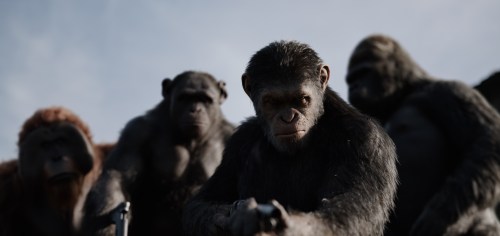 Contents don’t always match what is printed on the tin. War for the Planet of the Apes’ lengthy title (let’s just call it WPA) and marketing material suggest that you’re likely to be be subjected to two and a half hours of bloodshed, courtesy of a certain Wellington digital effects company. But WPA is far more introspective than advertised. Sure, it’s not La La Land, but WPA has a lot less “war” in it than we’re led to believe. Critically, comparisons have been made with Ford Coppola’s Apocalypse Now. Famously, Ford Coppola reworked Joseph Conrad’s novella Heart of Darkness, by expressing its themes of colonialism, self-discovery and the meaninglessness of evil against the backdrop of the Vietnam war. In WPA the astute viewer will pick up on this comparison fairly quickly, but for those not familiar with Coppola’s film, a wall graffiti’d with “Ape-pocalypse Now” is plain for all to see.
 tobywoollaston.com