Queen & Slim
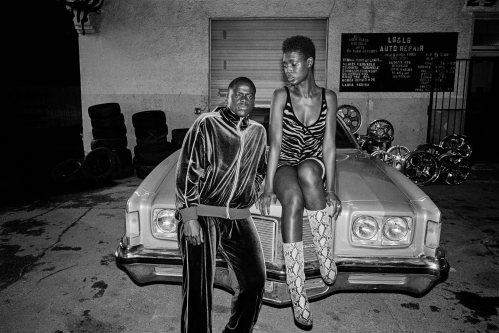 Verdict: A well-meaning and beautiful looking disappointment.
As far as first dates go, this one’s a bit of a fizzer. No, I’m not talking about the titular Queen and Slim’s Tinder date from hell, to which this film explores. Rather, I’m referring to my first outing with promising first-time feature directing and writing duo Melina Matsoukas and Lena Waithe, whose woke sensibilities and vibrantly kinetic film-making style held so much promise. Add to the mix, two “it” actors—the eye-catching Jodie Turner-Smith and Get Out’s Daniel Kaluuya—and you have a film that by all measures should be overflowing with style, sass and smarts.
The story follows the duo’s aforementioned first date which goes pear-shaped after they are pulled over by a racist white cop. Following some racial injustice, rash responses and a flurry of gunshots, Queen and Slim suddenly find themselves high-tailing it for the border. The film proceeds to make some fairly pointed comments on authoritarian prejudice as the couple’s panicked flight from the authorities garner a Bonnie and Clyde style posse of unsolicited support that usher them towards freedom.
There is plenty to like about Queen & Slim. For one, it’s beautiful to look at, drenched in silky imagery that dovetails nicely into Pete Beaudreau (A Cure for Wellness, Margin Call) well-considered editing patterns. I simply can’t emphasise enough how good this film looks, and for some, this alone will be worth the price of admission. Secondly, Daniel Kaluuya’s screen presence—anyone who’s seen him in Get Out and then Widows will know his significant range.
Unfortunately, all this is put to waste by Waithe’s patchy screenplay that ebbs and flows from moments of sublime enlightenment to cliched dashboard-thumping expletives and woefully signposted character motivations. I could hear the clunky gears turning.
It’s a classic case of style over substance. Shame, because Queen & Slim film does have a noble message, but it gets overexposed by Waithe’s overwrought dialogue. What’s more, Matsoukas shows her lack of feature-length experience, one that hasn’t yet captured the focussed subtlety of contemporaries such as Barry Jenkins (Moonlight, If Beale Street Could Talk). As for a future second date with Matsoukas’ next flick? Weeell … for now, I’ll just be polite and say “it’s not you, it’s me”.
See my reviews for the NZ Herald here and for Witchdoctor here.
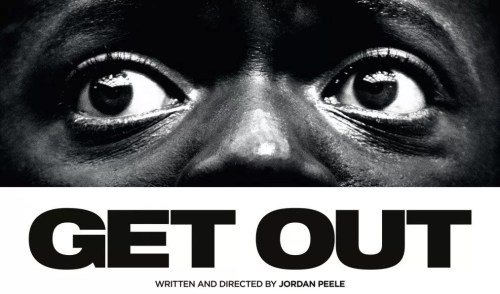 So, what’s your “thang”, Chris? — a question posed to the black protagonist of Get Out. The seemingly innocuous question by his girlfriend’s white dad highlights the reductive stereotypes tackled in Get Out. Jordan Peele has boldly stepped into the director’s chair for the first time and delivered a scathing social critique that is dressed up as a horror film. It’s nothing new for the horror genre to be a vehicle for social commentary — Zombies as metaphor for consumerism, misogyny equating to pathological fear of feminism, yada yada yada. However, it is rare for horror to comment so vehemently on race, as is the case in Get Out. It’s a subtext that the film wears proudly on it sleeve for all to see, in fact it’s barely a subtext at all. It’s so assertive about racism, in comparison it makes American History X feel like a film about cheese making. Forget about your clichéd southern hillbilly racism, this is the benevolent but sinister brand of racism that is firmly ensconced in the underbelly of liberal America.
 tobywoollaston.com