No Ordinary Sheila
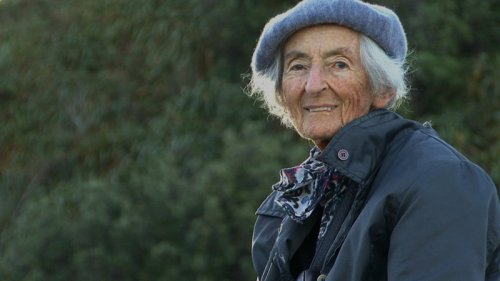 I went into No Ordinary Sheila ashamedly not knowing anything about the titular Sheila Natusch. Thankfully her cousin and the film’s director, Hugh Macdonald, knows a thing or two about film-making, so within no time I was hooked into the life-story of this natural historian, illustrator and writer who has lived a life less ordinary.
This gentle doco tells the story of Sheila’s life, from her early years growing up in the deep south to the present day in Wellington. The film is littered with fascinating anecdotes; her friendship with Janet Frame, cycling the South Island top to bottom, and climbing multiple mountains. It illustrates an admirable woman who has sucked the marrow out of life and can easily be considered a genuine slice of Kiwiana. There is a veritable nostalgic vibe to Macdonald’s film that sits perfectly with a life that is rooted firmly in New Zealand’s great outdoors.
Interviews by Kim Hill, Susan Hamel, Dinah Priestley, Shaun Barnett, and Ken Scadden, among others, provide the structural backbone to Macdonald’s film, all who seem content to gently and prod the nonagenarian for stories. Although, I suspect she could’ve handled some tougher prodding, as it is apparent that Sheila possessed a defiant skill of stoically holding emotional responses at bay. Throughout her interview, she remains guarded when pushed on sensitive subjects such as her brother’s death, her ailing health, or being that last surviving member of her family. Her response can only be described as consummately practical … “oh, you just get on with it.” And her thoughts on going into a rest home? “Bugger that … double bugger that!”
The homegrown amateurish nature of Sheila’s artwork and research appropriately comes through in the film. Thankfully, Macdonald does not get too caught up in the artifice of film-making and lets Sheila’s story gently spill out through her interviews and some well researched archival footage.
No Ordinary Sheila is an important historical document about New Zealand and one of its more resilient treasures who, despite her recent death, is still shining brightly.
You can see my published reviews here.
 This small but delightful film is not going to threaten Taika’s superhero behemoth for box-office takings anytime soon, but it’s good to see that there is room in the spring release schedule for something at the other end of the spectrum.
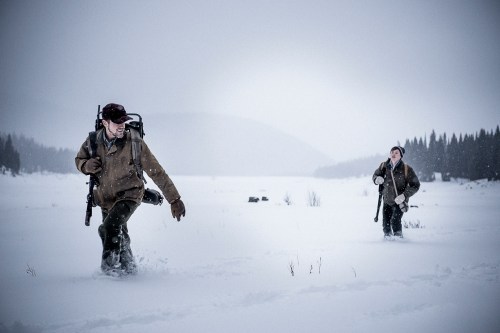 Despite its Grand Jury Prize nomination at last year’s Sundance Film Festival, Walking Out has kept a surprisingly low profile. Adapted and directed by brothers Andrew and Alex Smith, the film is based on David Quammen’s fictional short story of the same name. It centres on a father and his estranged teenage son who head into the wilds of Montana on a hunting expedition.
 It can’t be an easy task following up one of the most iconic films of all time. Despite many millennials who decry the slow pace of Ridley Scott’s original Blade Runner, there is no denying its place in cinema’s pantheon. It is a film that almost single-handedly brought about the modern sci-fi noir genre with a stunning rendition of Phillip K Dick’s dystopian novel. Its sequel, Blade Runner 2049, does not break from Dick’s existential treatise on what it means to be human and explores his pessimistic world further with a new set of characters.
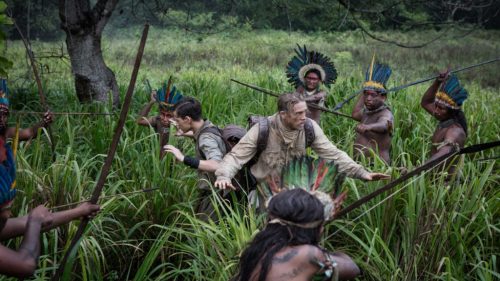 Is it perhaps too much of a coincidence that Amazon Studios have backed a film about exploring the Amazon?
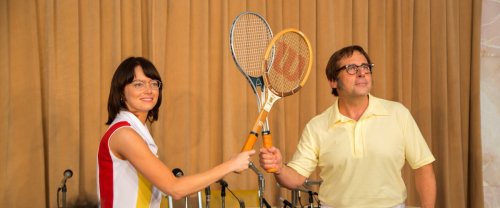 Tennis seems to be a cursed sport in the world of celluloid, often plumbing the depths of innuendo or injecting romance where it feels out of place. Even the great Woody Allen failed with Match Point. Unfortunately Battle of the Sexes fares no better, with Directors Valerie Faris and Jonathan Dayton continuing a slow decline since their excellent debut with Little Miss Sunshine.
 tobywoollaston.com