Interlude in Prague
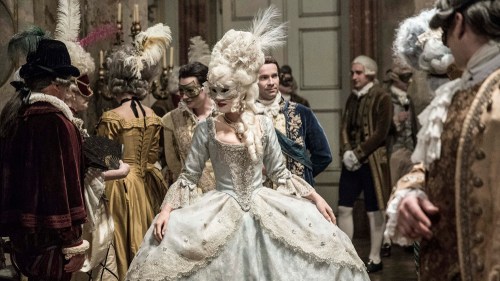 With all its pomp, ceremony, feathers and wigs, Interlude in Prague encourages movie poster quoting descriptors such as “lavish”, “exquisite” or “sumptuous”. Indeed the classical period, in which this tale is set, is an era that cinema has shown its fair share of adoration for. Visually, Interlude in Prague comfortably slips into cinema’s favourite feathery slippers and delivers a film that is utterly gorgeous to look at. However, no amount of “lavish” production design, “exquisite” costumes, or “sumptuous” cinematography (all of which are valid here) can hide this film’s shortcomings.
Director and co-writer John Stephenson has examined the period when Mozart was to compose Don Giovanni. I’m no historian, nor a Mozart fanboy, but a quick google reveals his time in Prague did seem to have a significant influence on the famed opera. But beyond that, Interlude in Prague seems comprised of half-truths, unrelated rumours of infidelity and other bits and bobs. It’s a potpourri of questionable facts that are lavishly fleshed out with more gratuitous embellishments than Trump’s twitter account; the result is an inventive fantasy about how Mozart’s famous opera might have been inspired.
Zuzanna Lubtak (admirably played by Morfydd Clark), a delicate young soprano in Mozart’s The Marriage of Figaro, is to be betrothed to the evil Baron Saloka (James Purefoy); a womanising predator who makes Weinstein look like a choir boy. Purefoy’s portrayal of the Baron shows fleeting moments of pure malice but for the most part, his character comes across as over-drawn and laughable. Enter Mozart (again, played admirably by Aneurin Barnard) to right the wrongs … oh, and fall in love with Zuzanna in the process.
If this all sounds a smidge camp, then you’re not too far from the full symphony. From the odd mixture of accents to the stilted and episodic story-telling, Interlude in Prague constantly threatens to descend into parody. Thankfully, it never does. Which is a relief, because the aforementioned poster quoting descriptors, along with some of the burgeoning acting talent makes Interlude in Prague juuuuust worth sitting through.
See my reviews for the NZ Herald here and for Witchdoctor here.
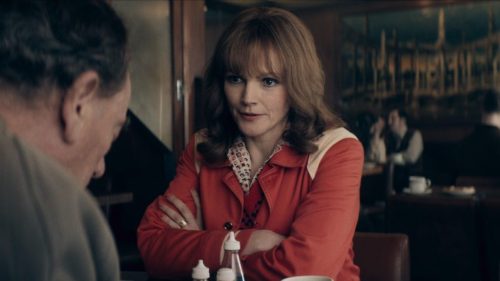 The damp misery of England’s summer-less north isn’t the first place you’d look for a few laughs. But that’s where this tale about an aspiring standup comedian is set.
 Actors who try their hand at directing often yield mixed results.
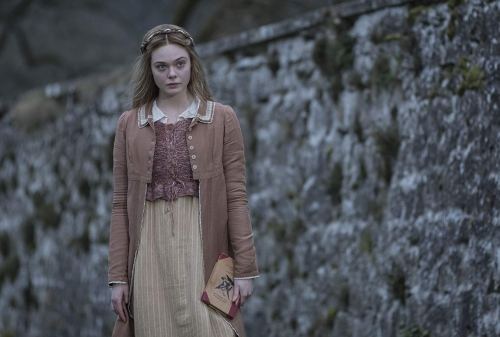 It is apt that Haifaa Al Mansour, the first female feature filmmaker from Saudi Arabia, has made a movie about a subversive feminist from yesteryear. Mary Shelley tells the true story of Mary Wollstonecraft Godwin (as she was known at the time), the author of one of the greatest Gothic horrors ever written; Frankenstein. While the misogyny of the day might not have recognised her fictional monster staring back at them, this film makes it crystal clear the reasons for its creation.
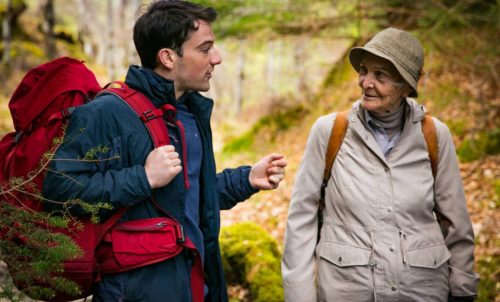 Frodo’s jaunt to Mount Doom meets The Leisure Seeker meets Scottish promotional video in this cinematically beautiful crowd-pleaser about an ageing woman’s desire to climb Scotland’s prominent Mount Suilven—she’s woefully prepared but equally determined to knock the bastard off.
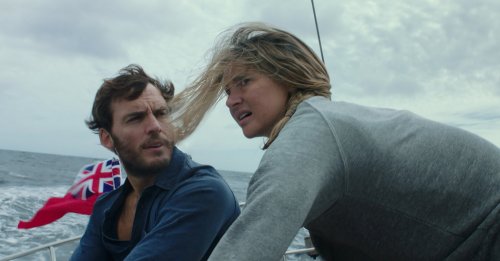 Well versed in the art of intrepid cinema, Icelandic director Baltasar Kormákur (Everest) has helmed an absorbing film that recounts the true story of a free-spirited couple, who in 1983 sailed directly into tragedy.
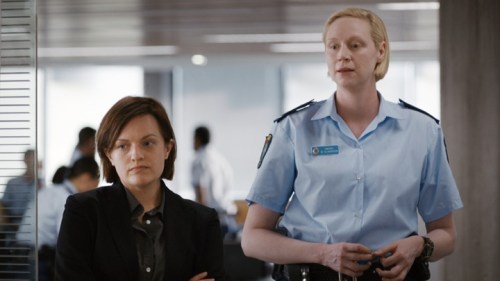 It is the first question on everyone’s lips when enquiring about season two of any TV production; How does it compare to the first?
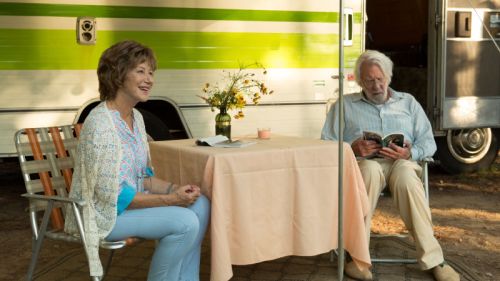 “I love it when you come back to me.”—it is a seemingly innocuous line but speaks volumes about The Leisure Seeker’s exploration into an elderly couple’s wrestle with dementia.
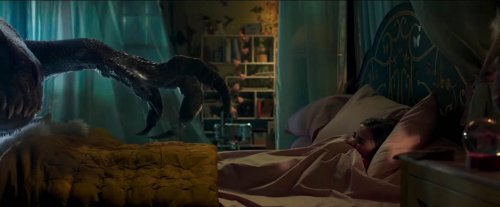 After the gargantuan box-office success of 2015’s Jurassic World, it is unsurprising that Universal Pictures would be clambering to repeat the dose with its successor.
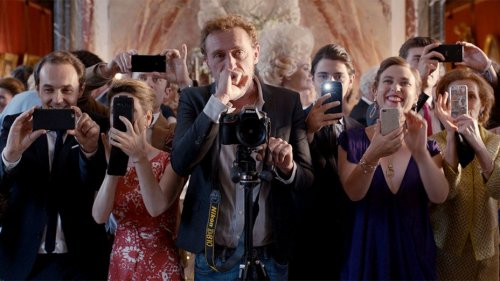 The French have always had a penchant for the cinematic farce.
 tobywoollaston.com