The Wife
 Behind every great man, there is an even greater woman pissed off she’s not getting the recognition she deserves; which in a nutshell sums up Meg Wolitzer’s provocative novel. Adapted for the screen by Jane Anderson (Olive Kitteridge), The Wife pits the forces of traditional marital dynamics against a lop-sided distribution of talent.
When American author and Nobel laureate nominee Joe Castleman (Jonathan Pryce) learns of his impending award, he gleefully prepares a jaunt to Stockholm, family in tow. His wife Joan (Glen Close), also a talented writer, has long since packed away her typewriter in order to fan the flames of Joe’s successful career. On the eve of what was to be a celebration of his literary work, Joan confronts the widening cracks in their marriage; cracks that threaten to expose the secret they both hide.
Unsurprisingly, the film’s success hinges mainly on the role of its protagonist. Glen Close applies her breadth of experience to deliver a superb performance that encapsulates a heady mixture of humility and rage in the face of a hidden injustice. The film’s plot twist is not too difficult to decipher, although The Wife excels through the immutable pace at which it is delivered. It is the kind of steadfast reveal that will have you second guessing if what you think is happening, will actually come to pass.
Glen Close is wonderfully (and perhaps ironically) supported by Jonathan Pryce whose desperate desire to be adored shows a narcissist at the peak of his consumption. These brilliant performances work well in tandem with Swedish director Björn Runge’s crisp story-telling. His measured cinematic style exposes the undercurrent of inequality and proceeds to calmly grill it under a white-hot spotlight.
Runge credits his audience with enough wits to dig below the film’s gentle nature to ascribe meaning. And dig you should, because beneath its amiable (and at times quite hilarious) surface is a film that packs the pin-sharp discomfort of feminine rage. It’s the kind of movie that operates as a parable of our times.
See my reviews for the NZ Herald here and for Witchdoctor here.
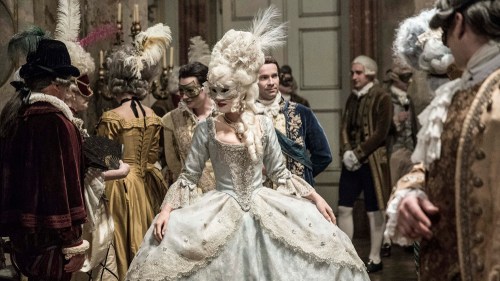 With all its pomp, ceremony, feathers and wigs, Interlude in Prague encourages movie poster quoting descriptors such as “lavish”, “exquisite” or “sumptuous”. Indeed the classical period, in which this tale is set, is an era that cinema has shown its fair share of adoration for.
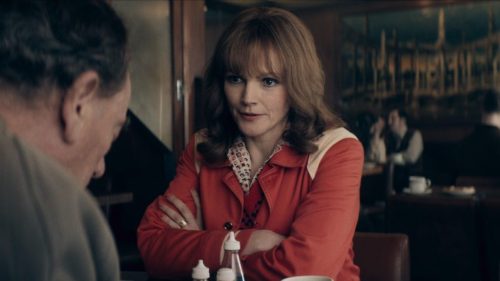 The damp misery of England’s summer-less north isn’t the first place you’d look for a few laughs. But that’s where this tale about an aspiring standup comedian is set.
 Actors who try their hand at directing often yield mixed results.
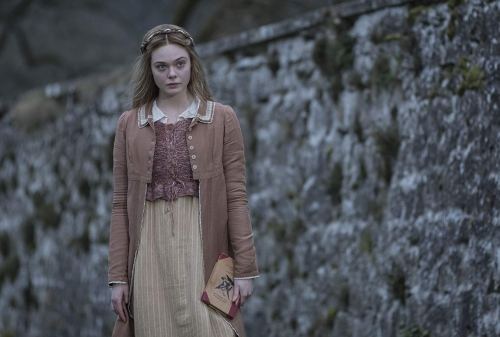 It is apt that Haifaa Al Mansour, the first female feature filmmaker from Saudi Arabia, has made a movie about a subversive feminist from yesteryear. Mary Shelley tells the true story of Mary Wollstonecraft Godwin (as she was known at the time), the author of one of the greatest Gothic horrors ever written; Frankenstein. While the misogyny of the day might not have recognised her fictional monster staring back at them, this film makes it crystal clear the reasons for its creation.
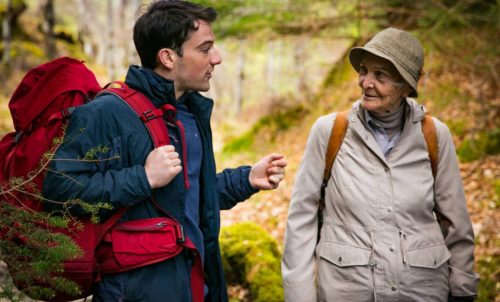 Frodo’s jaunt to Mount Doom meets The Leisure Seeker meets Scottish promotional video in this cinematically beautiful crowd-pleaser about an ageing woman’s desire to climb Scotland’s prominent Mount Suilven—she’s woefully prepared but equally determined to knock the bastard off.
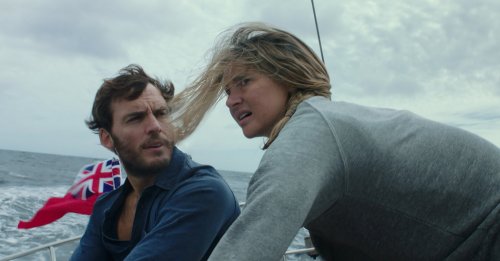 Well versed in the art of intrepid cinema, Icelandic director Baltasar Kormákur (Everest) has helmed an absorbing film that recounts the true story of a free-spirited couple, who in 1983 sailed directly into tragedy.
 It is the first question on everyone’s lips when enquiring about season two of any TV production; How does it compare to the first?
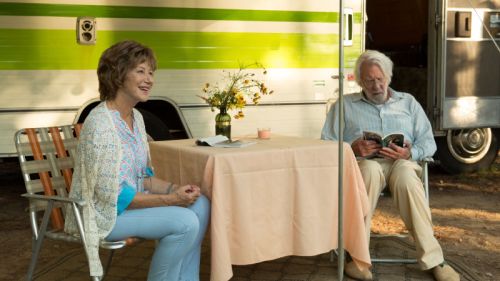 “I love it when you come back to me.”—it is a seemingly innocuous line but speaks volumes about The Leisure Seeker’s exploration into an elderly couple’s wrestle with dementia.
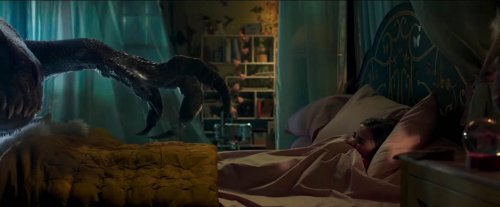 After the gargantuan box-office success of 2015’s Jurassic World, it is unsurprising that Universal Pictures would be clambering to repeat the dose with its successor.
