The Beach Bum
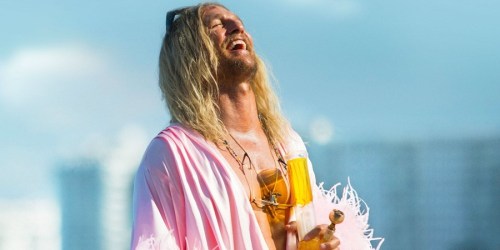 Are we witnessing the end of the McConaissance? If The Beach Bum is any indication then we might be. Writer/director Harmony Korine (Spring Breakers) has dragged Matthew McConaughey’s through a round of Korine’s favourite topic; sex, drugs, and … well, that’s about it. To be fair, a loose, wise-cracking “bum” who lives by his own rules is just the kind of role McConaughey was destined to play and, unsurprisingly, he is by far the best thing about this film.
A tale of hedonism and misbehaviour, The Beach Bum is big on style and small on plot. Moondog (McConaughey) is a celebrated but burnt-out poet living in the sun-drenched environs of the Florida Keys. Rich, popular, and hell-bent on living out the rest of his life within the drug-addled haze of his kitsch hovel. The only catch; his estranged wife, Minnie (Isla Fisher), holds the purse strings and tasks him with finishing his next book in order to access the remainder of his wealth. That’s about as far as the plot complexities go, the film opting instead to stumble through a potpourri of episodic (but colourful) scenes. A conveyor-belt of big names roll past; Zac Efron, Jonah Hill, Snoop Dogg, and Martin Lawrence, among others, line up to have a holiday in Florida’s sun at the studio’s expense, or have a crack at ruining their careers … or both, hard to tell.
It’s not all bad. There are some interesting formal flourishes, Korine’s woozy style plays cute with some unconventional editing, with single conversations playing out seamlessly across multiple scenes. It’s clever stuff, but deft editing and attractive cinematography can only go so far.
Ultimately, it’s difficult to admire a film that, while not outright glorifying abhorrent self-indulgence, does nothing to vilify it either. In one scene Jonah Hill seems to sum up the film’s moral compass “You know what I like the most about being rich? You can just be horrible to people and they just have to take it.” The glass-half-full in me says that Korine is trying to be intentionally provocative. A clever subtext perhaps, a sarcastic stab at Trumpism, or some other gem of wisdom deep within its hazy bowels … I just found this film too annoying and obnoxious to care.
See my reviews for the NZ Herald here and for Witchdoctor here.
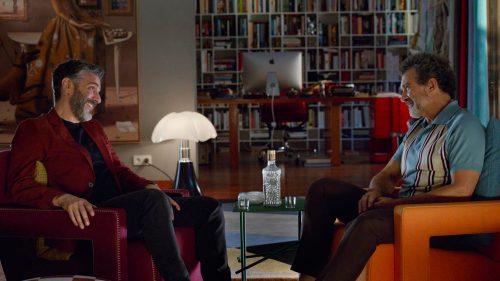 Making an autobiographical film about a director’s life can be a tricky task.
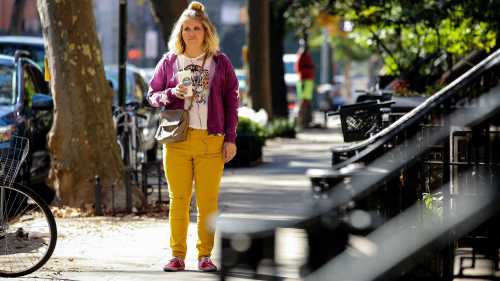 As Brittany Runs a Marathon’s spoilerific title hints, this movie quite literally does what it says on the tin. Yes, Brittany does actually run a marathon. But this indie dramedy also packs plenty of soul-searching smarts that go beyond the accessibly cheerful packaging. Think Francis Ha with sneakers.
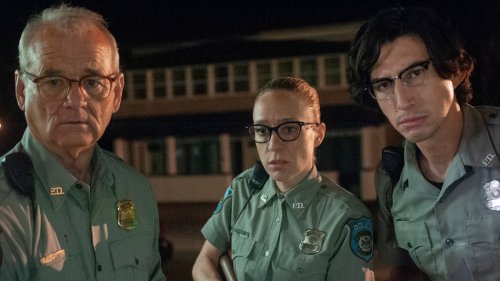 It’s hardly surprising that Jim Jarmusch has finally made a zombie flick. It is a sub-genre that many filmmakers have dabbled in and Jarmusch is certainly not shy of turning his pensively paced films into genre movies (eg. Dead Man as a Western). Certainly, this isn’t his first film about the undead. Notably, he sent two love-struck vampires, Tilda Swinton and Tom Hiddleston, into a poetic haze in Only Lovers Left Alive. But where that film wallowed in its dreamy melancholic fervour, The Dead Don’t Die is a different beast, opting to reside in the comical and schlocky spirit of yesteryear’s zombie flicks. It’s kooky, mildly amusing … and unfortunately, a complete misfire.
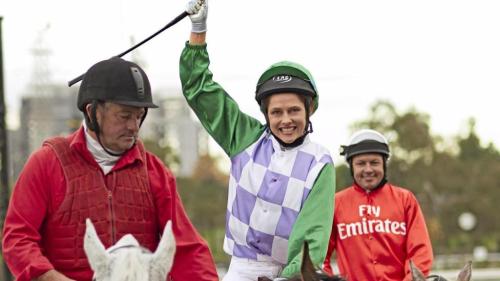 The Melbourne Cup is one of the more glamorous events on the world’s sporting calendar. A sport of small margins, jockeying specifically, requiring a delicate balance of weight management, knowledge, skill, and perhaps most importantly determination—something Michelle Payne, Melbourne Cup’s first female jockey winner, had in spades. However, prior to her win in 2015, she couldn’t seem to catch the eye of the male-dominated horse-racing fraternity. Considering it’s a job that seemingly suits gender parity (arguably even favouring a female’s slighter frame), it’s a travesty that female jockeys had been cast into the margins for so long.
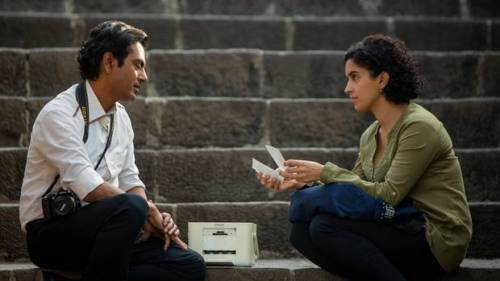 India’s movie industry isn’t really known for subtlety, Bollywood, in particular, has yet to come to grips with the “less is more” method of filmmaking. Thankfully, there are a number of Indian filmmakers who balk at Bollywood’s gaudy style, overuse of archetypes and cookie-cutter stories. Ritesh Batra is one of those directors, his breakout hit The Lunchbox (2013) wooing crowds with a bittersweet romance sensitively draped over a portrait of Mumbai city. However, in his latest feature, Photograph, Batra may have overcooked his response to Bollywood’s bombastic cliches by giving us a film so contemplative and agonisingly restrained that it will try your patience.
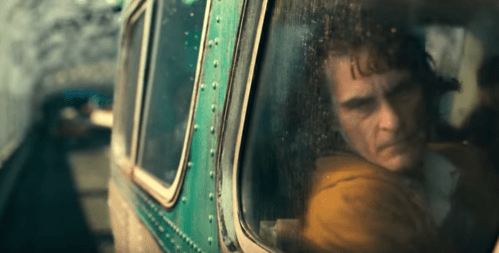 What a luxury to have Joaquin Phoenix, an actor of such immense scope, to hang your film on. Especially when that film is about one of the most iconic (and dare I say it, celebrated) fictional villains in history. His turn as the Clown Prince of Crime will most likely draw comparisons to those who have gone before (Ledger, Nicholson, et al). But it needn’t. This film is a different beast and Phoenix occupies quite a different period in the Joker story.
 There is an uneasy tension in the air with Ari Aster’s latest horror.
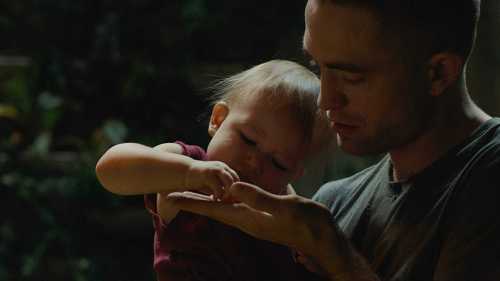 Movies from the enigmatic French director, Claire Denis (Beau Travail), are often described as elliptical in nature—a cinematic version of those three provocative dots at the end of a sentence prompting an “and?” response, where more is denoted by what isn’t said. High Life is one of those films—a smouldering question mark that casts a giant shadow over the film’s other concerns.
