The Square
 “The Square is a sanctuary of trust and caring. Within it we all share equal rights and obligations” — such is the provocative statement written at the foot of an art exhibition at the centre of Swedish director Ruben Östlund’s (Force Majeure) film, The Square.
It is a film that drags you into its contemporary art landscape of self-indulgence and self-importance with a tour de force of satirical film-making that spits and fizzes with sardonic humour and ethical insight.
Stockholm’s newest art exhibition provides a space to observe and participate in its ideals, offering a further tableau of ethical exhibits that focus on human social behaviour. All the while the film deftly shows the exhibition as a shining beacon of hypocrisy through the contrasting behaviour of its creators. Christian, a hapless contemporary art curator played by Claes Bang is one such hypocrite, idealistic in rhetoric and yet cynical in his actions, he has a likeable earnest nature that belies the ignorance of his own self-importance.
The Square follows Christian as he makes a progression of poor choices. His verbal jousting with an American reporter, Anne, played superbly by the ever-reliable Elisabeth Moss offers some wonderfully crafted scenes of cringeworthy brilliance. The two serve and volley semantics before giving way to an awkward physical exchange that unsurprisingly leads to Anne, Christian, and the exhibition unravelling.
Wonderfully dextrous humour gives way to some very probing investigations of human nature as lines are blurred between “art” and reality. The Square becomes at times almost unbearable to watch with some moments of squirm-inducing boundary pushing. An episode involving a human imitating an ape at a black-tie event is as intriguing as it is disturbing.
The film covers a lot of ethical ground being about sexual power, stereotypes, middle-class guilt and moral values. But it handles these touchy subjects with the perfect balance of satire, insight and entertainment. Deserved winner of the Palme d’Or at last year’s Cannes Film Festival, Ruben Östlund appears to be at the peak of his powers and has directed a film that is hilarious, fiercely intelligent, and encourages a healthy amount of self-examination.
See my reviews for Witchdoctor here.
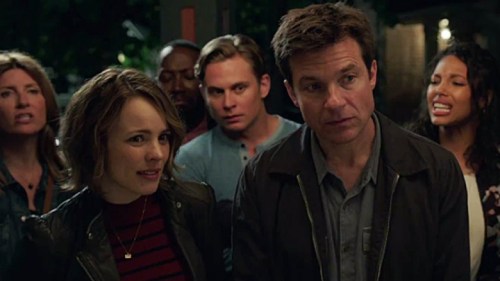 Now here’s a film that goes down like a churro dunked in chocolate sauce. And like that alluring sugar-coated doughy Spanish treat, Game Night is a film with zero nutritional benefits but sooo easy to consume. No subtexts, no heavy messages, it keeps its mood light and its subject matter dark—it’s a cheerful black comedy, if you will.
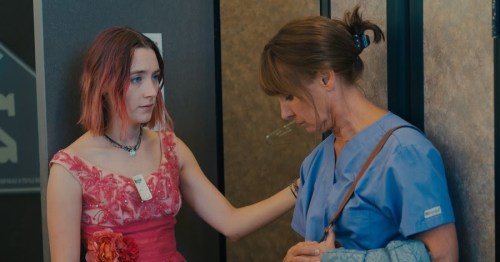 Greta Gerwig is no stranger to mixing a celluloid cocktail of angsty humour with a twist of social realism. In her sophomore years, the fledgling writer/director/actor was understudy to Noah Baumbach, both bringing about delightful films such as Francis Ha and Mistress America. With Lady Bird, Gerwig has spread her wings, gone solo, and showed us what a genuine talent she is.
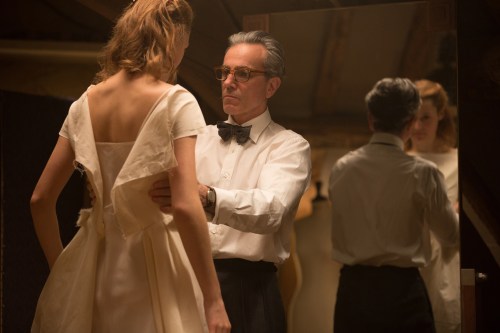 Paul Thomas Anderson doesn’t seem capable of putting a foot wrong. He is one of the most malleable auteurs currently working with a filmography that spans genres, periods and subject matter, each time garnering critical praise. The American director’s latest feature, Phantom Thread reunites him with Daniel Day-Lewis, whom he directed to Oscar-winning plaudits in There Will be Blood.
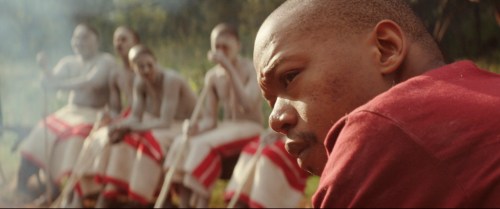 Thando Mgqolozana’s controversial novel, ‘A Man Who Is Not a Man’ has already ruffled plenty of feathers within South Africa’s Xhosa community. His work explored the contentious issue of traditional circumcision and the dubious conditions with which the rite is undertaken. Now, South African writer/director, John Trengove, has made the bold (or foolhardy, depending on your opinion) move to stir the pot further. His latest film, The Wound, is a reworking of Mgqolozana’s book (Mgqolozana also co-wrote the screenplay) and examines homosexuality against the traditional backdrop of the Xhosa ritual.
 The process of animating over the top of pre-shot footage (rotoscoping) is a procedure that has existed since the dawn of cinema, most notably applied recently by Richard Linklater (A Scanner Darkly and Waking Life). Loving Vincent pushes the envelope further, with Directors Hugh Welchman and Dorota Kobiela (and an army of artists) making the technically ambitious decision to turn their film into a Van Gogh oil painting through the arduous process of hand painting each frame. While some might find this a painstaking exercise in gimmickry, there is little doubt that the result is an immersive experience, nudging you ever closer to the work of the famous Dutch painter. Certainly, Loving Vincent is a film where you could hang any one of its overwhelming 65,000 frames on your wall—although at twelve frames per second, the resulting animation takes a little adjustment.
 “The humiliation and depression had given way to blinding anger at my powerlessness over the unfair whims of men.”—it is a line that succinctly expresses one of Molly’s Game’s many concerns with male power and while the film is not explicitly feminist, its sentiments feel very apt in Hollywood’s current #metoo climate.
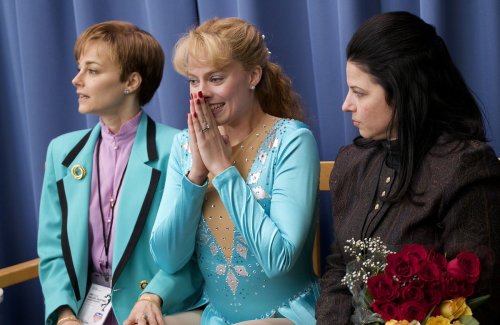 It seems the perfect time for Tonya Harding’s story to finally surface onto the big screen.
 What if you could be shrunken to a miniature version of yourself? It’s not the first time the concept has graced the silver screen and as you might expect, Downsizing ends up asking more questions than it answers. Nonetheless, in an interesting take on human reduction, Director Alexander Payne (Sideways, The Descendants) has taken this well-used idea and wrung out a surprisingly bleak look at the possibilities.
 tobywoollaston.com